
Travel to Iran in 2026: The Modern First-Timer Guide
Travel to Iran isn’t a “plug-and-play” destination where every international card, app, and travel routine works exactly the same way. But if you plan the basics—entry steps, money, route flow—it becomes one of the most rewarding cultural trips you can take: monumental architecture, desert cities, living bazaars, and a level of everyday hospitality that surprises even experienced travelers.
This guide is built for people who want a realistic, comfortable trip: what to do first, where to go, when to visit, how to budget, and how to build an itinerary that feels smooth instead of rushed.
Last updated: February 2026
Why travel to Iran
Iran is a “layers” destination: pre-Islamic heritage, Islamic-era masterpieces, Silk Road trade culture, and modern city life. When you travel to Iran with the right expectations, you get depth without heavy crowds.
Highlights travelers consistently love:
-
Blue-tile architecture, courtyards, gardens, and night-lit bridges
-
Walkable historic districts and bazaars made for slow wandering
-
Food built on herbs, saffron, pomegranate, and pistachio culture
-
Strong value per day (especially with well-managed logistics)
-
Human warmth—helpful conversations and tea invitations are common
Before you go: the planning checklist
Entry and visa basics (plan responsibly)
Visa requirements vary by nationality and can change. Before you travel to Iran, verify the latest requirements through official sources and/or a reputable visa facilitator. In most cases the workflow is:
-
choose the right application route, 2) prepare documents (passport validity, photo, insurance, itinerary basics), 3) submit and keep confirmations, 4) carry printed + digital copies.
Insurance
Many travelers are expected to have travel insurance. Pick a policy that clearly covers your trip style (cities, day trips, light hiking, etc.).
Your first 24 hours (make it easy)
A low-stress arrival usually includes:
-
Pre-arranged airport pickup (recommended for first-timers)
-
A central hotel for the first two nights
-
SIM/eSIM or offline maps set up early
-
A short evening walk and an early night
Packing that makes the trip better
-
Comfortable walking shoes
-
Breathable layers (warm days, cooler evenings)
-
Light jacket for shoulder seasons
-
Power bank + universal adapter
-
A scarf (sun, dust, and cultural contexts)
-
Reusable water bottle
Best time to visit Iran
Iran has deserts, mountains, forests, and a warm southern coast—so timing depends on your route.
-
Spring (Mar–May): often the most comfortable for the classic corridor (Tehran–Isfahan–Yazd–Shiraz). Gardens are at their best.
-
Summer (Jun–Aug): can be hot in central/southern regions. Adjust your rhythm (early mornings, midday rest, evenings out) and consider higher elevations and the northwest.
-
Autumn (Sep–Nov): prime weather and excellent photography light; many travelers prefer autumn for a calm pace.
-
Winter (Dec–Feb): quieter heritage cities; southern coast/islands can be pleasant; mountains suit ski-focused trips.
Where to go on a first trip
For most visitors, the classic cultural corridor is the simplest way to travel to Iran.
Tehran (1–3 days)
Best as a landing pad: museums, neighborhoods, and modern Iranian life. It’s also the easiest place to handle arrival logistics.
Isfahan (2–4 days)
A top reason people travel to Iran for architecture: grand squares, ornate mosques, and bridges that become evening promenades.
Yazd (1–3 days)
A desert city built for atmosphere—mud-brick lanes, windcatchers, rooftops, and a slow rhythm.
Shiraz (2–4 days)
Gardens, poetry culture, and a relaxed pace. A strong base for day trips.
Persepolis (half day / full day)
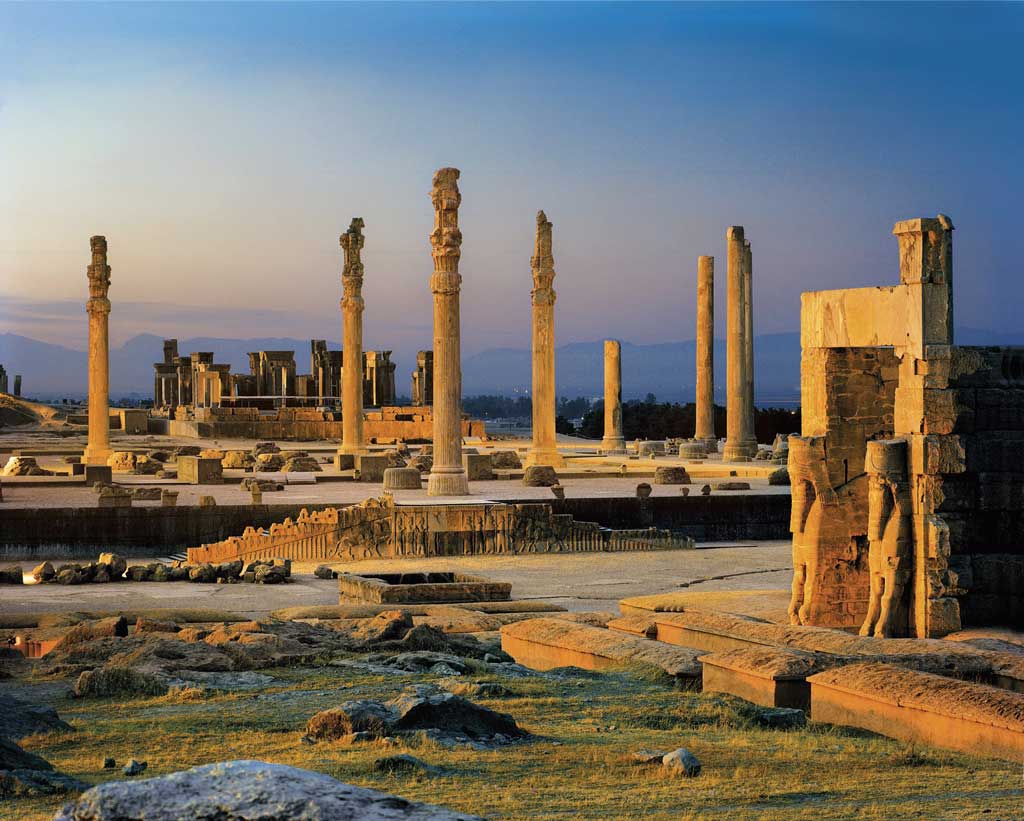
A signature heritage site near Shiraz. With a knowledgeable guide, the site becomes a story rather than a photo stop.
Optional upgrade (pick one)
To keep your route elegant, add one “bonus” region:
-
Kashan (1 day or 1 night): traditional houses; easy detour between Tehran and Isfahan.
-
Tabriz (2–3 days): a different regional culture and a strong market scene.
-
Southern islands/coast (2–4 days): nature and slow travel (best outside peak heat).
Copy-and-customize itineraries (7 / 10 / 14 days)
These routes are designed for geography and pacing—so you enjoy the trip, not just the checklist.
7 days: Classic highlights
-
Day 1–2: Tehran
-
Day 3–4: Isfahan
-
Day 5–6: Shiraz (+ heritage day trip)
-
Day 7: Departure (or connect back to Tehran)
10 days: Add Yazd
-
Day 1–2: Tehran
-
Day 3–5: Isfahan
-
Day 6–7: Yazd
-
Day 8–10: Shiraz (+ Persepolis)
14 days: Balanced deep dive
-
Day 1–2: Tehran
-
Day 3: Kashan (en route)
-
Day 4–6: Isfahan
-
Day 7–8: Yazd
-
Day 9–12: Shiraz (slow pace + multiple day trips)
-
Day 13–14: optional extension (Tabriz or south)
Pacing rule: For every 2–3 full sightseeing days, plan one lighter afternoon. Travel to Iran rewards time for bazaars, tea stops, and unplanned discoveries.
Experiences that make the trip unforgettable (choose your “anchors”)
A simple way to upgrade travel to Iran is to pick 4–6 anchor experiences and build your days around them—then leave space for tea stops and wandering.
Architecture and history anchors
-
An early-morning walk in a major historic square (cooler air, better photos)
-
A guided landmark visit focusing on geometry, calligraphy, and tilework
-
One major heritage day trip with context (not just photos)
Food and market anchors
-
A bazaar walk with tastings (nuts, sweets, herbs, juices)
-
One classic restaurant meal and one small family-run spot
-
Optional: a short cooking demo or home-style lunch
Photography anchors
-
Early light in old towns (Yazd lanes, historic courtyards)
-
Blue-hour bridges and night promenades in major cities
-
A rooftop viewpoint arranged through your hotel/host
Nature anchors
-
A desert add-on (dunes, salt landscapes, stargazing—season dependent)
-
A mountain day hike or scenic road in cooler regions
-
A southern coast/island extension in the right season
Costs and budgeting: a practical framework (without fragile numbers)
Prices vary by season, comfort level, and route. Instead of fixed numbers, plan your budget in buckets so you can travel to Iran without surprises:
-
accommodation, 2) transport, 3) guiding, 4) food, 5) tickets/experiences, 6) contingency.
A useful shorthand:
-
Value: VIP buses + simple hotels + guide only on key days
-
Comfort: better-located hotels + mixed transport + more guided time
-
Premium: private transfers + boutique stays + curated experiences
If you sell inbound packages, publish clear inclusions/exclusions. It’s a strong trust signal.
City-by-city: what to actually do (high-impact picks)
When you travel to Iran for the first time, pick 2–3 core experiences per city and keep at least one afternoon light.
-
Tehran: a museum block + a neighborhood walk with cafés and local shopping
-
Isfahan: morning architecture + evening bridge walk + bazaar time
-
Yazd: old town wandering + windcatchers/rooftops + a calm evening near the desert edge
-
Shiraz: gardens + a heritage day trip (including Persepolis) + a bazaar food/sweets session
Common mistakes first-timers make (and how to avoid them)
-
Too many cities (you lose your best hours to transfers).
-
No buffer time (build 10–15% slack into the plan).
-
Weak money planning (a simple cash strategy prevents most stress).
-
Midday over-sightseeing in hot months (use the early/rest/evening rhythm).
-
Hotels in the wrong location (walkability matters more than “stars”).
Packing by season (quick add-on)
-
Spring/Autumn: light layers + a compact rain/wind shell
-
Summer: breathable long sleeves + sun protection + a strong water routine
-
Winter (central cities): warmer layers for evenings; the south is milder
Solo travelers and women travelers: practical comfort tips
Many people travel to Iran independently and have an excellent experience. To keep it comfortable:
-
Choose well-reviewed, well-located hotels and avoid late-night arrivals without pickup
-
Use reputable drivers for long intercity transfers
-
Keep a “today card” on your phone: hotel address, contacts, and the day plan
-
If you want extra support, hire local guides for heritage sites and bazaars
A simple daily rhythm that works almost everywhere
A comfortable itinerary is less about doing more and more about doing the right things at the right time. When you travel to Iran, this rhythm fits most classic cities:
-
Early morning: your “big” site (cooler temperatures, fewer crowds, better photos)
-
Late morning: a second highlight or museum
-
Midday: lunch + rest at the hotel (especially in warm months)
-
Afternoon: bazaar wandering, crafts, cafés, and slow neighborhoods
-
Evening: bridges, gardens, or promenades where locals gather
-
Night: an unhurried dinner—then sleep early if you have a transfer the next day
This structure keeps energy stable and makes room for spontaneous moments without losing the essentials.
Getting around (what to choose and why)
-
Domestic flights: best for long jumps when time matters.
-
Trains: comfortable for select routes; overnight trains can reduce fatigue.
-
VIP buses: frequent and often very comfortable—great value.
-
Private driver (+ optional guide): the smoothest option for first-timers; flexible stops, efficient routing, and translation support.
Where to stay: modern vs. traditional
A simple upgrade is mixing hotel styles.
-
Modern hotels: predictable amenities and easy check-in.
-
Traditional courtyard stays: high atmosphere—inner courtyards, stained glass, quiet breakfasts, and a sense of place that often becomes a highlight of travel to Iran.
Recommendation: book at least two nights in a courtyard property in Isfahan, Yazd, or Shiraz.
Money and payments (budget without stress)
Many travelers should plan for a cash-heavy trip. The goal is to remove payment friction so travel days feel simple.
Practical habits:
-
Split cash into two secure places
-
Use reputable exchange channels
-
Keep a daily spend note (even a simple phone note)
-
Carry small denominations for taxis, snacks, and tips
Internet, maps, and everyday navigation
Connectivity makes everything easier:
-
Arrange a local SIM/eSIM option if available for your phone
-
Download offline maps for your cities
-
Save your hotel address in both English and local script (screenshots help)
-
Keep a backup contact method for your driver/guide/hotel
Some international apps may behave differently by region; plan simple alternatives so you’re not dependent on a single service.
Dress and etiquette (comfort + respect)
Treat etiquette as a comfort tool: you blend in better and avoid awkward moments.
-
Clothing: modest, breathable layers; long sleeves and long trousers work well. Women typically carry a head covering for public contexts.
-
Social life: you may be invited for tea; accepting (when you’re comfortable) is often the most memorable part of travel to Iran.
-
Photography: ask before photographing individuals, especially in bazaars and villages.
-
Bargaining: normal in markets—keep it friendly and relaxed.
Food: what to try
Don’t leave the cuisine to chance—aim for one signature dish per city plus one bazaar snack session.
Must-try classics:
-
Ghormeh sabzi (herb stew)
-
Fesenjan (pomegranate-walnut stew)
-
Regional kebab styles (varies by city)
-
Tahdig (crispy rice layer)
-
Saffron desserts and pistachio sweets
-
Tea culture (often served with small sweets)
Universal hygiene advice: choose busy places, drink sealed beverages when unsure, and keep hand sanitizer on walking days.
Shopping and crafts (high-value souvenirs)
Iran is a craft destination. Good buys include:
-
Handcrafted textiles and scarves
-
Calligraphy/miniature-style art pieces
-
Copperware and metalwork
-
Ceramics and tile-inspired decor
-
Saffron, pistachios, selected spices (pack carefully)
If authenticity matters to you, shop with a guide or ask your hotel for reputable craft lanes.
Safety and common sense
No destination is risk-free. A practical approach makes travel to Iran feel comfortable:
-
Keep copies of passport and entry documents (paper + digital)
-
Use reputable transport providers (especially for late arrivals)
-
Respect local rules, signage, and restricted areas
-
Build buffer time so a delay doesn’t break your itinerary
Also, check official travel advisories and local updates near your travel dates. Conditions and requirements can change faster than long-form pages can update.
Responsible travel (simple, meaningful choices)
Responsible travel to Iran can be straightforward:
-
Choose locally owned properties when possible
-
Hire local guides/drivers
-
Buy crafts directly from artisans
-
Reduce single-use plastic
-
Respect sacred spaces and heritage sites
FAQ (featured-snippet friendly)
How many days do I need?
10–14 days is ideal for a first visit. With 7 days, focus on Tehran + Isfahan + Shiraz.
What’s the best first-timer route?
Tehran → Isfahan → Yazd → Shiraz is the most balanced and easy to run.
Do I need a guide?
Not always, but many first-timers find a good guide improves context, pacing, and logistics.
What should I wear?
Modest, breathable layers and comfortable walking shoes. Women typically carry a head covering for public contexts.
Will I be able to use my bank cards?
Plan for cash-first budgeting and confirm your personal setup before arrival.
Plan your trip with an inbound team
Travel to Iran is easiest when three things are aligned: 1) a route that makes geographic sense, 2) reliable transport, and 3) on-the-ground support.
If you want a trip designed around your pace and interests, we can help you:
-
Build a custom itinerary (culture, architecture, food, nature, photography)
-
Arrange airport pickup and intercity transfers
-
Recommend hotels that match your comfort level (modern or traditional)
-
Provide vetted local guides so each day runs smoothly
Next step: Send your dates, trip length, and priorities, and we’ll propose a realistic itinerary that makes travel to Iran feel simple.

Leave a Reply
Want to join the discussion?Feel free to contribute!