Travel to Iran in 2026: The Modern First-Timer Guide

Travel to Iran isn’t a “plug-and-play” destination where every international card, app, and travel routine works exactly the same way. But if you plan the basics—entry steps, money, route flow—it becomes one of the most rewarding cultural trips you can take: monumental architecture, desert cities, living bazaars, and a level of everyday hospitality that surprises even experienced travelers.

This guide is built for people who want a realistic, comfortable trip: what to do first, where to go, when to visit, how to budget, and how to build an itinerary that feels smooth instead of rushed.

Last updated: February 2026

Why travel to Iran

Iran is a “layers” destination: pre-Islamic heritage, Islamic-era masterpieces, Silk Road trade culture, and modern city life. When you travel to Iran with the right expectations, you get depth without heavy crowds.

Highlights travelers consistently love:

  • Blue-tile architecture, courtyards, gardens, and night-lit bridges

  • Walkable historic districts and bazaars made for slow wandering

  • Food built on herbs, saffron, pomegranate, and pistachio culture

  • Strong value per day (especially with well-managed logistics)

  • Human warmth—helpful conversations and tea invitations are common

Before you go: the planning checklist

Entry and visa basics (plan responsibly)

Visa requirements vary by nationality and can change. Before you travel to Iran, verify the latest requirements through official sources and/or a reputable visa facilitator. In most cases the workflow is:

  1. choose the right application route, 2) prepare documents (passport validity, photo, insurance, itinerary basics), 3) submit and keep confirmations, 4) carry printed + digital copies.

Insurance

Many travelers are expected to have travel insurance. Pick a policy that clearly covers your trip style (cities, day trips, light hiking, etc.).

Your first 24 hours (make it easy)

A low-stress arrival usually includes:

  • Pre-arranged airport pickup (recommended for first-timers)

  • A central hotel for the first two nights

  • SIM/eSIM or offline maps set up early

  • A short evening walk and an early night

Packing that makes the trip better

  • Comfortable walking shoes

  • Breathable layers (warm days, cooler evenings)

  • Light jacket for shoulder seasons

  • Power bank + universal adapter

  • A scarf (sun, dust, and cultural contexts)

  • Reusable water bottle

Best time to visit Iran

Iran has deserts, mountains, forests, and a warm southern coast—so timing depends on your route.

  • Spring (Mar–May): often the most comfortable for the classic corridor (Tehran–Isfahan–Yazd–Shiraz). Gardens are at their best.

  • Summer (Jun–Aug): can be hot in central/southern regions. Adjust your rhythm (early mornings, midday rest, evenings out) and consider higher elevations and the northwest.

  • Autumn (Sep–Nov): prime weather and excellent photography light; many travelers prefer autumn for a calm pace.

  • Winter (Dec–Feb): quieter heritage cities; southern coast/islands can be pleasant; mountains suit ski-focused trips.

Where to go on a first trip

For most visitors, the classic cultural corridor is the simplest way to travel to Iran.

Tehran (1–3 days)

Best as a landing pad: museums, neighborhoods, and modern Iranian life. It’s also the easiest place to handle arrival logistics.

Isfahan (2–4 days)

A top reason people travel to Iran for architecture: grand squares, ornate mosques, and bridges that become evening promenades.

Yazd (1–3 days)

A desert city built for atmosphere—mud-brick lanes, windcatchers, rooftops, and a slow rhythm.

Shiraz (2–4 days)

Gardens, poetry culture, and a relaxed pace. A strong base for day trips.

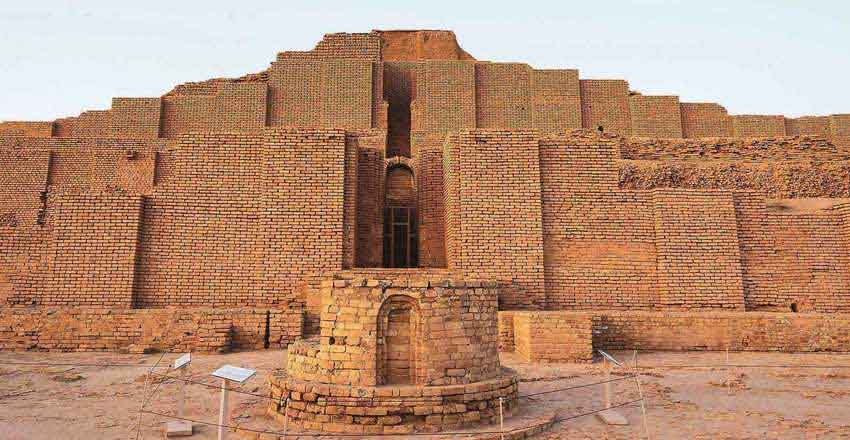
Persepolis (half day / full day)

A signature heritage site near Shiraz. With a knowledgeable guide, the site becomes a story rather than a photo stop.

Optional upgrade (pick one)

To keep your route elegant, add one “bonus” region:

  • Kashan (1 day or 1 night): traditional houses; easy detour between Tehran and Isfahan.

  • Tabriz (2–3 days): a different regional culture and a strong market scene.

  • Southern islands/coast (2–4 days): nature and slow travel (best outside peak heat).

Copy-and-customize itineraries (7 / 10 / 14 days)

These routes are designed for geography and pacing—so you enjoy the trip, not just the checklist.

7 days: Classic highlights

  • Day 1–2: Tehran

  • Day 3–4: Isfahan

  • Day 5–6: Shiraz (+ heritage day trip)

  • Day 7: Departure (or connect back to Tehran)

10 days: Add Yazd

  • Day 1–2: Tehran

  • Day 3–5: Isfahan

  • Day 6–7: Yazd

  • Day 8–10: Shiraz (+ Persepolis)

14 days: Balanced deep dive

  • Day 1–2: Tehran

  • Day 3: Kashan (en route)

  • Day 4–6: Isfahan

  • Day 7–8: Yazd

  • Day 9–12: Shiraz (slow pace + multiple day trips)

  • Day 13–14: optional extension (Tabriz or south)

Pacing rule: For every 2–3 full sightseeing days, plan one lighter afternoon. Travel to Iran rewards time for bazaars, tea stops, and unplanned discoveries.

Experiences that make the trip unforgettable (choose your “anchors”)

A simple way to upgrade travel to Iran is to pick 4–6 anchor experiences and build your days around them—then leave space for tea stops and wandering.

Architecture and history anchors

  • An early-morning walk in a major historic square (cooler air, better photos)

  • A guided landmark visit focusing on geometry, calligraphy, and tilework

  • One major heritage day trip with context (not just photos)

Food and market anchors

  • A bazaar walk with tastings (nuts, sweets, herbs, juices)

  • One classic restaurant meal and one small family-run spot

  • Optional: a short cooking demo or home-style lunch

Photography anchors

  • Early light in old towns (Yazd lanes, historic courtyards)

  • Blue-hour bridges and night promenades in major cities

  • A rooftop viewpoint arranged through your hotel/host

Nature anchors

  • A desert add-on (dunes, salt landscapes, stargazing—season dependent)

  • A mountain day hike or scenic road in cooler regions

  • A southern coast/island extension in the right season

Costs and budgeting: a practical framework (without fragile numbers)

Prices vary by season, comfort level, and route. Instead of fixed numbers, plan your budget in buckets so you can travel to Iran without surprises:

  1. accommodation, 2) transport, 3) guiding, 4) food, 5) tickets/experiences, 6) contingency.

A useful shorthand:

  • Value: VIP buses + simple hotels + guide only on key days

  • Comfort: better-located hotels + mixed transport + more guided time

  • Premium: private transfers + boutique stays + curated experiences

If you sell inbound packages, publish clear inclusions/exclusions. It’s a strong trust signal.

City-by-city: what to actually do (high-impact picks)

When you travel to Iran for the first time, pick 2–3 core experiences per city and keep at least one afternoon light.

  • Tehran: a museum block + a neighborhood walk with cafés and local shopping

  • Isfahan: morning architecture + evening bridge walk + bazaar time

  • Yazd: old town wandering + windcatchers/rooftops + a calm evening near the desert edge

  • Shiraz: gardens + a heritage day trip (including Persepolis) + a bazaar food/sweets session

Common mistakes first-timers make (and how to avoid them)

  1. Too many cities (you lose your best hours to transfers).

  2. No buffer time (build 10–15% slack into the plan).

  3. Weak money planning (a simple cash strategy prevents most stress).

  4. Midday over-sightseeing in hot months (use the early/rest/evening rhythm).

  5. Hotels in the wrong location (walkability matters more than “stars”).

Packing by season (quick add-on)

  • Spring/Autumn: light layers + a compact rain/wind shell

  • Summer: breathable long sleeves + sun protection + a strong water routine

  • Winter (central cities): warmer layers for evenings; the south is milder

Solo travelers and women travelers: practical comfort tips

Many people travel to Iran independently and have an excellent experience. To keep it comfortable:

  • Choose well-reviewed, well-located hotels and avoid late-night arrivals without pickup

  • Use reputable drivers for long intercity transfers

  • Keep a “today card” on your phone: hotel address, contacts, and the day plan

  • If you want extra support, hire local guides for heritage sites and bazaars

A simple daily rhythm that works almost everywhere

A comfortable itinerary is less about doing more and more about doing the right things at the right time. When you travel to Iran, this rhythm fits most classic cities:

  • Early morning: your “big” site (cooler temperatures, fewer crowds, better photos)

  • Late morning: a second highlight or museum

  • Midday: lunch + rest at the hotel (especially in warm months)

  • Afternoon: bazaar wandering, crafts, cafés, and slow neighborhoods

  • Evening: bridges, gardens, or promenades where locals gather

  • Night: an unhurried dinner—then sleep early if you have a transfer the next day

This structure keeps energy stable and makes room for spontaneous moments without losing the essentials.

Getting around (what to choose and why)

  • Domestic flights: best for long jumps when time matters.

  • Trains: comfortable for select routes; overnight trains can reduce fatigue.

  • VIP buses: frequent and often very comfortable—great value.

  • Private driver (+ optional guide): the smoothest option for first-timers; flexible stops, efficient routing, and translation support.

Where to stay: modern vs. traditional

A simple upgrade is mixing hotel styles.

  • Modern hotels: predictable amenities and easy check-in.

  • Traditional courtyard stays: high atmosphere—inner courtyards, stained glass, quiet breakfasts, and a sense of place that often becomes a highlight of travel to Iran.

Recommendation: book at least two nights in a courtyard property in Isfahan, Yazd, or Shiraz.

Money and payments (budget without stress)

Many travelers should plan for a cash-heavy trip. The goal is to remove payment friction so travel days feel simple.

Practical habits:

  • Split cash into two secure places

  • Use reputable exchange channels

  • Keep a daily spend note (even a simple phone note)

  • Carry small denominations for taxis, snacks, and tips

Internet, maps, and everyday navigation

Connectivity makes everything easier:

  • Arrange a local SIM/eSIM option if available for your phone

  • Download offline maps for your cities

  • Save your hotel address in both English and local script (screenshots help)

  • Keep a backup contact method for your driver/guide/hotel

Some international apps may behave differently by region; plan simple alternatives so you’re not dependent on a single service.

Dress and etiquette (comfort + respect)

Treat etiquette as a comfort tool: you blend in better and avoid awkward moments.

  • Clothing: modest, breathable layers; long sleeves and long trousers work well. Women typically carry a head covering for public contexts.

  • Social life: you may be invited for tea; accepting (when you’re comfortable) is often the most memorable part of travel to Iran.

  • Photography: ask before photographing individuals, especially in bazaars and villages.

  • Bargaining: normal in markets—keep it friendly and relaxed.

Food: what to try

Don’t leave the cuisine to chance—aim for one signature dish per city plus one bazaar snack session.

Must-try classics:

  • Ghormeh sabzi (herb stew)

  • Fesenjan (pomegranate-walnut stew)

  • Regional kebab styles (varies by city)

  • Tahdig (crispy rice layer)

  • Saffron desserts and pistachio sweets

  • Tea culture (often served with small sweets)

Universal hygiene advice: choose busy places, drink sealed beverages when unsure, and keep hand sanitizer on walking days.

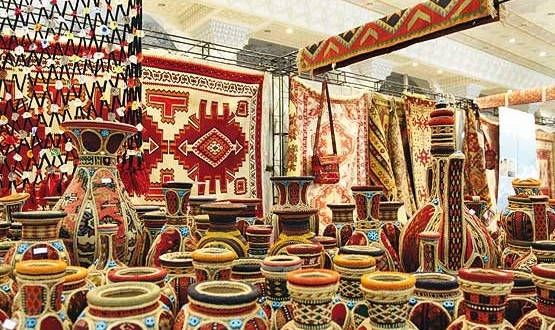
Shopping and crafts (high-value souvenirs)

Iran is a craft destination. Good buys include:

  • Handcrafted textiles and scarves

  • Calligraphy/miniature-style art pieces

  • Copperware and metalwork

  • Ceramics and tile-inspired decor

  • Saffron, pistachios, selected spices (pack carefully)

If authenticity matters to you, shop with a guide or ask your hotel for reputable craft lanes.

Safety and common sense

No destination is risk-free. A practical approach makes travel to Iran feel comfortable:

  • Keep copies of passport and entry documents (paper + digital)

  • Use reputable transport providers (especially for late arrivals)

  • Respect local rules, signage, and restricted areas

  • Build buffer time so a delay doesn’t break your itinerary

Also, check official travel advisories and local updates near your travel dates. Conditions and requirements can change faster than long-form pages can update.

Responsible travel (simple, meaningful choices)

Responsible travel to Iran can be straightforward:

  • Choose locally owned properties when possible

  • Hire local guides/drivers

  • Buy crafts directly from artisans

  • Reduce single-use plastic

  • Respect sacred spaces and heritage sites

FAQ (featured-snippet friendly)

How many days do I need?
10–14 days is ideal for a first visit. With 7 days, focus on Tehran + Isfahan + Shiraz.

What’s the best first-timer route?
Tehran → Isfahan → Yazd → Shiraz is the most balanced and easy to run.

Do I need a guide?
Not always, but many first-timers find a good guide improves context, pacing, and logistics.

What should I wear?
Modest, breathable layers and comfortable walking shoes. Women typically carry a head covering for public contexts.

Will I be able to use my bank cards?
Plan for cash-first budgeting and confirm your personal setup before arrival.

Plan your trip with an inbound team

Travel to Iran is easiest when three things are aligned: 1) a route that makes geographic sense, 2) reliable transport, and 3) on-the-ground support.

If you want a trip designed around your pace and interests, we can help you:

  • Build a custom itinerary (culture, architecture, food, nature, photography)

  • Arrange airport pickup and intercity transfers

  • Recommend hotels that match your comfort level (modern or traditional)

  • Provide vetted local guides so each day runs smoothly

Next step: Send your dates, trip length, and priorities, and we’ll propose a realistic itinerary that makes travel to Iran feel simple.
Is Iran Safe to Travel in 2026? Complete Safety Guide for Tourists


Is Iran Safe to Travel in 2026? Full Guide for Solo Travelers, Women, Families & Backpackers

(Updated for 2026 – Expert Insights by Zhivar Travel Agency)

Overview: What Travelers Should Know in 2026

Iran remains one of the most culturally rich and welcoming destinations in Asia. Despite common misconceptions, the country continues to offer a stable and safe environment for international visitors. This updated 2026 safety guide, prepared by Zhivar Travel Agency, provides fact-based insights for tourists planning their journey to Iran.

Is Iran Safe to Travel in 2026? (Short Answer)

Yes — Iran is generally safe for tourists. Violent crime is rare, local people are warm and respectful toward foreign travelers, and major tourist routes remain secure and easy to navigate.

This guide covers safety for women, families, backpackers, Americans, Europeans, and first-time travelers.

General Safety Conditions in 2026

Low Rate of Violent Crime

Iran continues to show one of the lowest violent-crime rates in the region. Most travel-related risks involve traffic, navigation, or cultural misunderstandings—not personal safety.

Tourist-Friendly Cities

Main cities such as Tehran, Isfahan, Shiraz, Yazd, and Kashan are considered safe for day and night travel, especially in busy urban areas.

Hospitality Culture

Iranian people traditionally treat foreigners as honored guests, creating a naturally safe and welcoming environment.

Safety for Solo Female Travelers

Iran is surprisingly comfortable for women traveling alone. Women often describe their experience as more secure than expected.

Why Women Feel Safe

  • Respectful social norms

  • Low harassment levels in tourist zones

  • Women-only spaces on public transport

  • High cultural value placed on protecting guests

Tips for Solo Female Travelers

  • Dress modestly (loose clothing + scarf)

  • Avoid isolated areas at night

  • Use official taxis or ride-hailing apps (Snapp, Tap30)

Safety for Families and Elderly Travelers

Iran is a family-oriented country with a safe public environment, clean restaurants, reliable transportation, and helpful locals. Families with children often receive extra hospitality and assistance from residents.

Safety for Backpackers and Budget Travelers

Backpackers enjoy Iran due to its affordability and safety.

Key Points

  • Hostels and guesthouses are reliable

  • Hitchhiking is common among backpackers

  • Public transportation is safe and inexpensive

  • Couchsurfing remains popular (via VPN)

Myths vs. Realities About Iran’s Safety

Myth Reality
Iran is unsafe due to political issues Tourist zones are calm and stable
Foreigners are targeted False — tourists are treated with high respect
Women cannot travel alone Thousands do each year without issues
Iran is similar to neighboring conflict zones Iran’s internal environment is far more stable

Safety by Major Cities

Tehran

Safe but crowded; traffic is the main risk. Northern and central areas are best for tourists.

Isfahan

One of the safest and cleanest cities in Iran. Ideal for cultural exploration.

Shiraz

Warm, calm, and very tourist-friendly. Perfect for families and solo travelers.

Yazd

A quiet UNESCO city with minimal risks.

Tabriz

Very safe with helpful locals; a great city for first-time visitors.

Kashan

Small, peaceful, and organized.

Dress Code for Tourists (2026 Update)

For Women

  • Long sleeves

  • Tunic or long shirt

  • Pants

  • Scarf (can be worn loosely)

For Men

  • Avoid shorts in public

  • T-shirts and jeans are acceptable

Common Tourist Scams (Rare but Important)

While major scams are rare, the following issues occur occasionally:

  • Taxi overcharging

  • Currency confusion (Toman vs. Rial)

  • Fake souvenirs

  • Unlicensed guides

Use licensed agencies such as Zhivar Travel Agency for safe planning.

Internet & Digital Safety

Tourists can use Irancell or Hamrah-e Aval SIM cards. A VPN is recommended for accessing restricted websites or apps.

Transportation Safety

Safe Options

  • Snapp / Tap30

  • Metro (Tehran)

  • VIP buses

  • Domestic flights

  • Intercity trains

Use Caution

  • Old taxis

  • Motorcycles in Tehran

  • Remote desert roads without a guide

Cultural Etiquette for Safety

  • Show respect in greetings

  • Avoid photographing military sites

  • Minimal public affection

  • Remove shoes when required

  • Alcohol is illegal

Following these norms ensures a smooth, safe trip.

Is Iran Safe for Americans, Canadians & British Travelers?

Yes — but guided tours are mandatory.
Thousands of Western tourists safely visit Iran each year through professional agencies like Zhivar Travel Agency.

Final Verdict: Is Iran Safe in 2026?

Iran is one of the safest and most culturally rewarding destinations in the region. With simple awareness and local guidance, tourists can enjoy a memorable and secure journey through ancient cities, friendly communities, and breathtaking landscapes.

FAQ (Iran Travel Safety 2026)

Is Iran safe for solo women?

Yes—most women report positive experiences.

Can you walk safely at night?

In major tourist cities, yes. Avoid isolated areas.

Is Iran friendly to Western tourists?

Very much. Locals are notably welcoming.

Do tourists face political risk?

No—tourists are treated separately from politics.

Are ATMs useful?

Local ATMs work, but foreign cards are not accepted.

🌍Plan Your Safe Iran Trip with Zhivar Travel Agency

For a reliable, professionally organized journey to Iran—with licensed guides, secure routes, and customized itineraries—contact Zhivar Travel Agency.

Discover the Hidden Gems of Iran: Your Ultimate Travel Guide

Introduction

Iran, a land of ancient civilizations and rich cultural heritage, is a hidden gem waiting to be explored. From stunning landscapes and historical sites to warm hospitality and vibrant traditions, Iran offers a unique travel experience. In this guide, we’ll take you through the must-visit destinations, travel tips, and everything you need to know for an unforgettable journey to Iran.

Why Visit Iran?

Iran is a country of contrasts, where modern cities meet ancient ruins, and bustling bazaars stand alongside serene gardens. Here are some compelling reasons to add Iran to your travel bucket list:

  1. Rich History and Culture: Iran boasts a history spanning thousands of years, with UNESCO World Heritage Sites like Persepolis, the ancient capital of the Persian Empire, and the stunning architecture of Isfahan’s mosques and palaces.
  2. Breathtaking Landscapes: From the deserts of Yazd to the lush forests of the Caspian coast, Iran’s diverse landscapes offer something for every nature lover. Don’t miss the mesmerizing Alamut Valley and the beautiful Persian Gulf beaches.
  3. Warm Hospitality: Iranians are known for their hospitality and friendliness. Expect to be greeted with open arms and offered tea and snacks as a sign of welcome.
  4. Culinary Delights: Iranian cuisine is a feast for the senses. Savor dishes like kebabs, saffron-infused rice, and the famous Persian sweets. Food lovers will find Iran a culinary paradise.

Top Destinations in Iran

  1. Tehran: The bustling capital city offers a mix of modernity and tradition. Visit the Golestan Palace, the National Museum of Iran, and enjoy panoramic views from the Milad Tower.
  2. Isfahan: Known as “Half of the World,” Isfahan is famous for its stunning Islamic architecture. Explore the Imam Square, Sheikh Lotfollah Mosque, and the historic bridges over the Zayandeh River.
  3. Shiraz: The city of poets, Shiraz is home to the tombs of Hafez and Saadi, the beautiful Nasir al-Mulk Mosque (Pink Mosque), and the ancient ruins of Persepolis.
  4. Yazd: Discover the desert city of Yazd with its unique windcatchers, the historic Zoroastrian Fire Temple, and the peaceful ambiance of the old town.
  5. Kashan: A charming city with traditional houses, beautiful gardens like Fin Garden, and the bustling bazaar.

Travel Tips for Iran

  1. Visa Requirements: Check the latest visa requirements for your nationality. Many tourists can obtain a visa on arrival or apply for an e-visa.
  2. Dress Code: Iran has a dress code that requires modest clothing. Women should cover their hair with a scarf and wear loose-fitting clothes. Men should avoid shorts and sleeveless shirts.
  3. Currency: The currency is the Iranian Rial (IRR). It’s advisable to carry cash as credit cards are not widely accepted.
  4. Language: Persian (Farsi) is the official language, but many Iranians speak basic English, especially in tourist areas.
  5. Safety: Iran is generally safe for tourists, but it’s always good to stay informed about the local situation and follow travel advisories.

Conclusion

Iran is a destination like no other, offering a blend of history, culture, and natural beauty. Whether you’re an adventure seeker, a history buff, or a culinary enthusiast, Iran has something to offer. Plan your trip today and uncover the treasures of this fascinating country.

Discover the Untouched Beauty of Sistan and Baluchestan, Iran

Introduction

Sistan and Baluchestan, a hidden gem in southeastern Iran, offers a unique blend of stunning landscapes, rich cultural heritage, and diverse wildlife. This province is an untapped paradise for travelers seeking adventure, history, and an authentic Persian experience. From the majestic Lut Desert to the ancient ruins of Shahr-e Sukhteh, Sistan and Baluchestan promise unforgettable memories.

Sistan and Baluchestan

Geographical Wonders

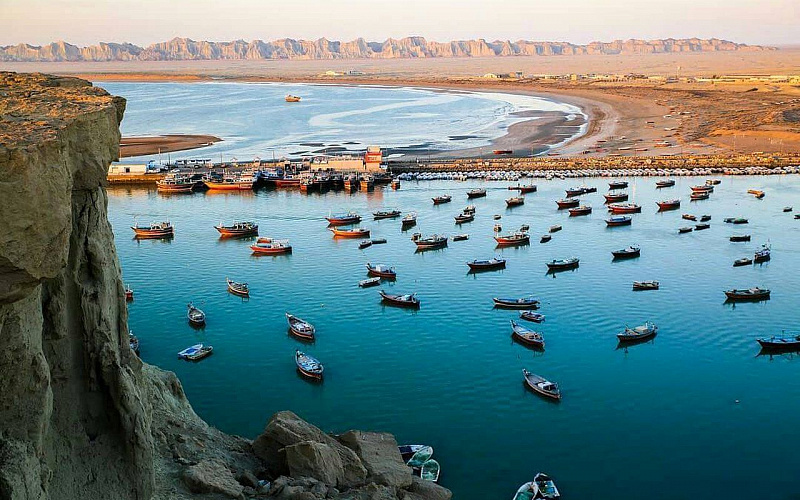
The province is home to a variety of geographical features. The Lut Desert, a UNESCO World Heritage site, boasts some of the hottest recorded temperatures on Earth. The Makran Coastline offers pristine beaches and a serene environment, perfect for relaxation and exploration. The Chabahar port, known for its strategic importance, provides access to beautiful coastal landscapes and unique rock formations.

chabahar port

Historical and Cultural Significance

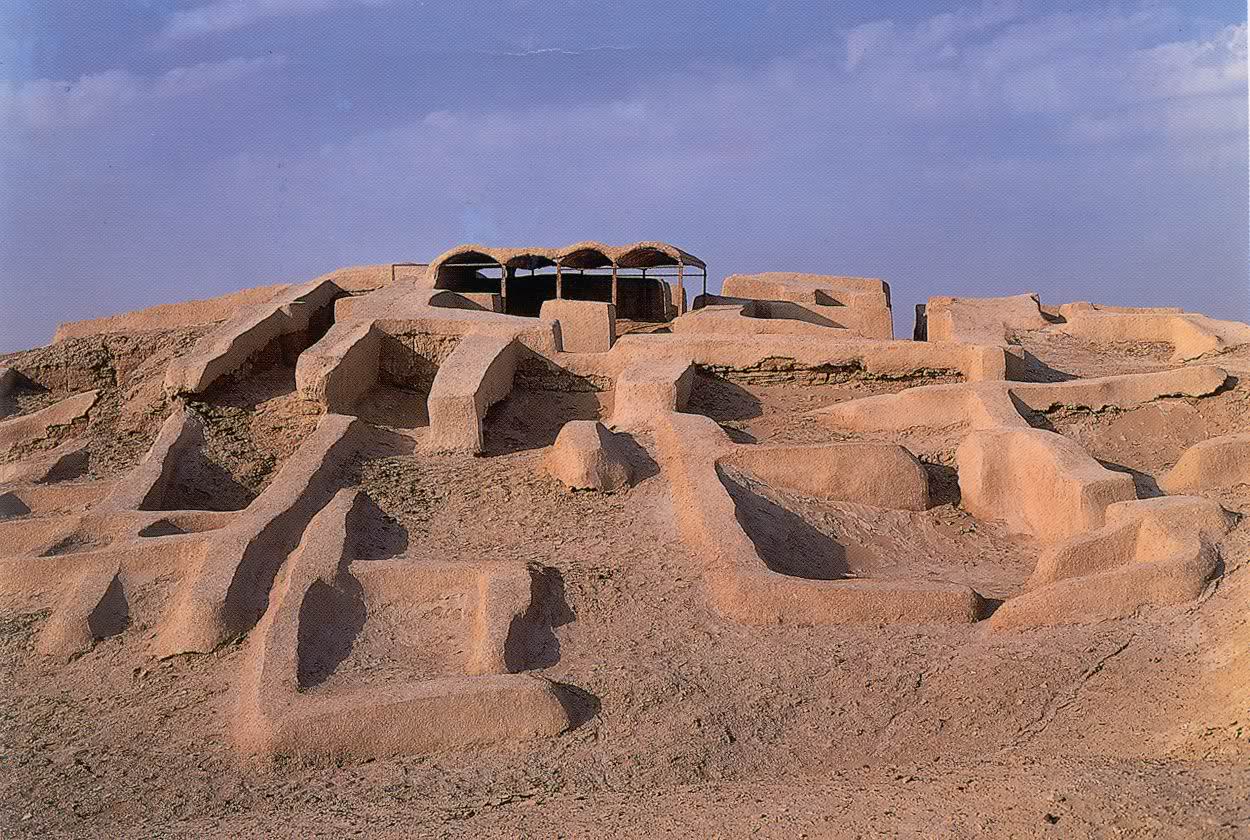
Sistan and Baluchestan are steeped in history. Shahr-e Sukhteh, or the Burnt City, is an archaeological site dating back to 3200 BCE, offering insights into early urbanization in the region. The cultural diversity of the province is reflected in its unique traditions, music, and cuisine. The local Baluchi people are known for their hospitality, vibrant attire, and rich folklore.

Adventure and Wildlife

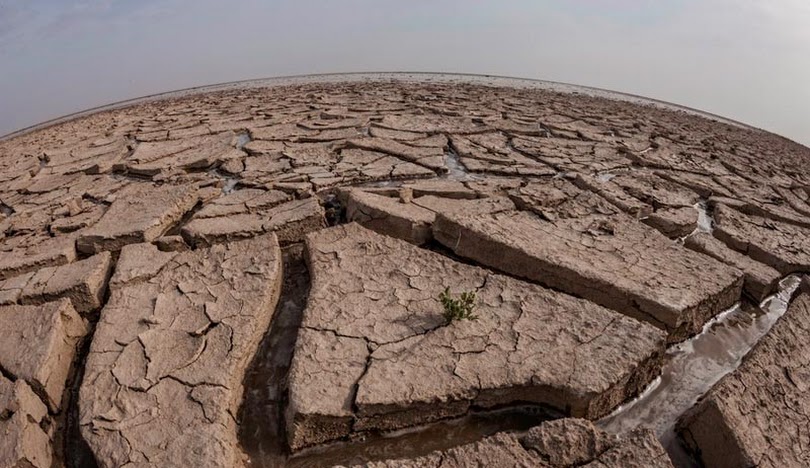
For adventure enthusiasts, Sistan and Baluchestan offer numerous activities such as trekking, desert safaris, and bird watching. The Hamun Lake, although seasonal, attracts various migratory birds, making it a paradise for bird watchers. The mountainous regions and deserts also provide habitats for unique wildlife, including the Persian leopard and the Asiatic cheetah.

Hamun Lake

Culinary Delights

The cuisine of Sistan and Baluchestan is as diverse as its landscape. Traditional dishes like “Biryani” and “Torshi” are a must-try for any visitor. The local markets, known as bazaars, offer a variety of spices, handicrafts, and souvenirs, providing a glimpse into the daily life and traditions of the local people.

Conclusion

Sistan and Baluchestan is a province that promises an array of experiences for every type of traveler. Whether you are seeking adventure, historical exploration, or simply a peaceful retreat, this region of Iran has something to offer. By visiting Sistan and Baluchestan, you not only explore one of Iran’s most beautiful and diverse provinces but also contribute to the local economy and cultural preservation.

Iran to cancel visa requirements for visitors from 33 new countries

Iran to cancel visa requirements for visitors from 33 new countries: Minister

Iranian Minister of Cultural Heritage, Tourism, and Handicrafts Ezzatollah Zarghami has said the Iranian Cabinet has decided to unilaterally cancel visa requirements for visitors from 33 more countries.

Speaking to reporters after a cabinet meeting on Wednesday, Zarghami said the decision is aimed at boosting tourism arrivals and attracting more visitors from countries around the world.

He said efforts to boost tourism can neutralize Iranophobia campaigns.

The 33 countries approved for Iran’s new visa-waiver program are as follows:

1- Republic of India, 2- Russian Federation (in group visits), 3- United Arab Emirates, 4- Kingdom of Bahrain, 5- Kingdom of Saudi Arabia, 6- Kingdom of Qatar, 7- Kingdom of Kuwait, 8- Republic of Lebanon, 9- Republic of Uzbekistan , 10- Republic of Kyrgyzstan, 11- Republic of Tajikistan, 12- Republic of Tunisia, 13- Islamic Republic of Mauritania, 14- United Republic of Tanzania, 15- Republic of Zimbabwe, 16- Republic of Mauritius, 17- Republic of Seychelles, 18- Republic of Indonesia, 19- Brunei Darussalam, 20- Kingdom of Japan, 21- Republic of Singapore, 22- Kingdom of Cambodia, 23- Kingdom of Malaysia, 24- Socialist Republic of Vietnam, 25- Federal Republic of Brazil, 26- Republic of Peru, 27- Republic of Cuba, 28- United States of Mexico , 29- Bolivarian Republic of Venezuela, 30- Federation of Bosnia and Herzegovina, 31- Republic of Serbia, 32- Republic of Croatia and 33- Republic of Belarus.

That comes as Iran had visa waiver programs for visitors from Türkiye, Republic of Azerbaijan, Oman, China, Armenia, Lebanon and Syria.

According to the latest statistics, the number of foreign arrivals in Iran reached 4.4 million during the first eight months of the current Iranian year (started on March 21), an increase of 48.5% compared to the same period last year.

Souce: IRNA NEWS

Lost in Time: Discovering Susa’s Ancient Marvels in Iran

Nestled in the heart of Iran lies a historical treasure trove, often overlooked yet brimming with tales of antiquity and splendor – Susa. This ancient city stands as a testament to human resilience and ingenuity, offering a captivating journey through time for intrepid travelers seeking to uncover the secrets of an enigmatic past.

Discovering Susa’s Rich Tapestry

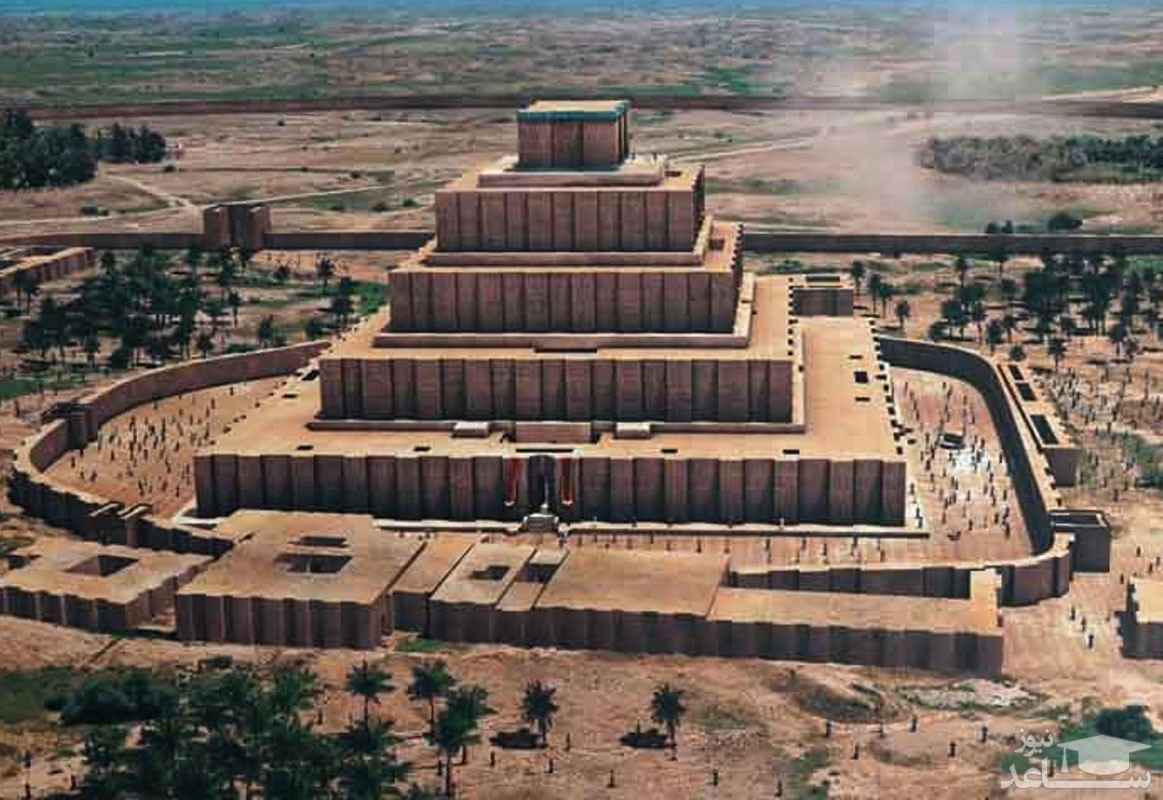
Susa, also known as Shush, boasts a heritage that spans millennia, tracing back to 4200 BCE. Once a prominent city in the Elamite, Persian, and Parthian empires, Susa played a pivotal role in the annals of civilization. Its strategic location along the Silk Road and its position as a center for art, commerce, and diplomacy bestow upon it an aura of prestige and influence.

susa

The Magnificent Ruins of Susa

At the heart of Susa lie its archaeological wonders. The Apadana Palace, a grand structure adorned with intricate relief works, once served as the ceremonial capital of the Achaemenid Empire. The hauntingly beautiful remains of the Tomb of Daniel stand as a testament to faith and reverence, attracting pilgrims and historians alike.

susa

Unraveling the Mysteries of Susa

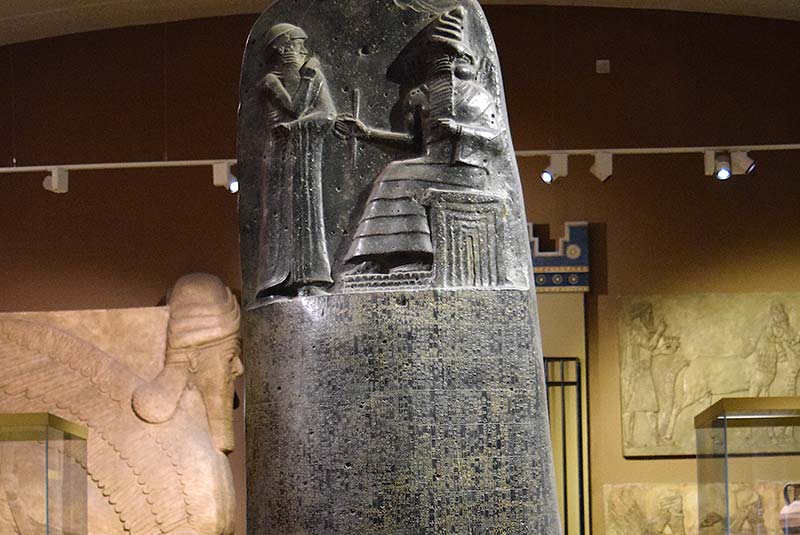
What lures adventurers to Susa is not just its ancient ruins but also the intrigue that shrouds its past. The renowned Code of Hammurabi, one of the oldest deciphered writings of significant legal importance, was discovered amidst the ruins of Susa, unlocking insights into Mesopotamian laws and society.

susa

Embracing Susa’s Cultural Verve

Beyond its historical significance, Susa offers visitors a vibrant tapestry of Iranian culture. The bustling bazaars, adorned with vibrant handicrafts, and the aroma of exotic spices invite exploration and immersion into local life. Delve into the tantalizing flavors of Persian cuisine at traditional eateries, savoring the richness of saffron-infused dishes and aromatic teas.

susa

A Journey Through Time

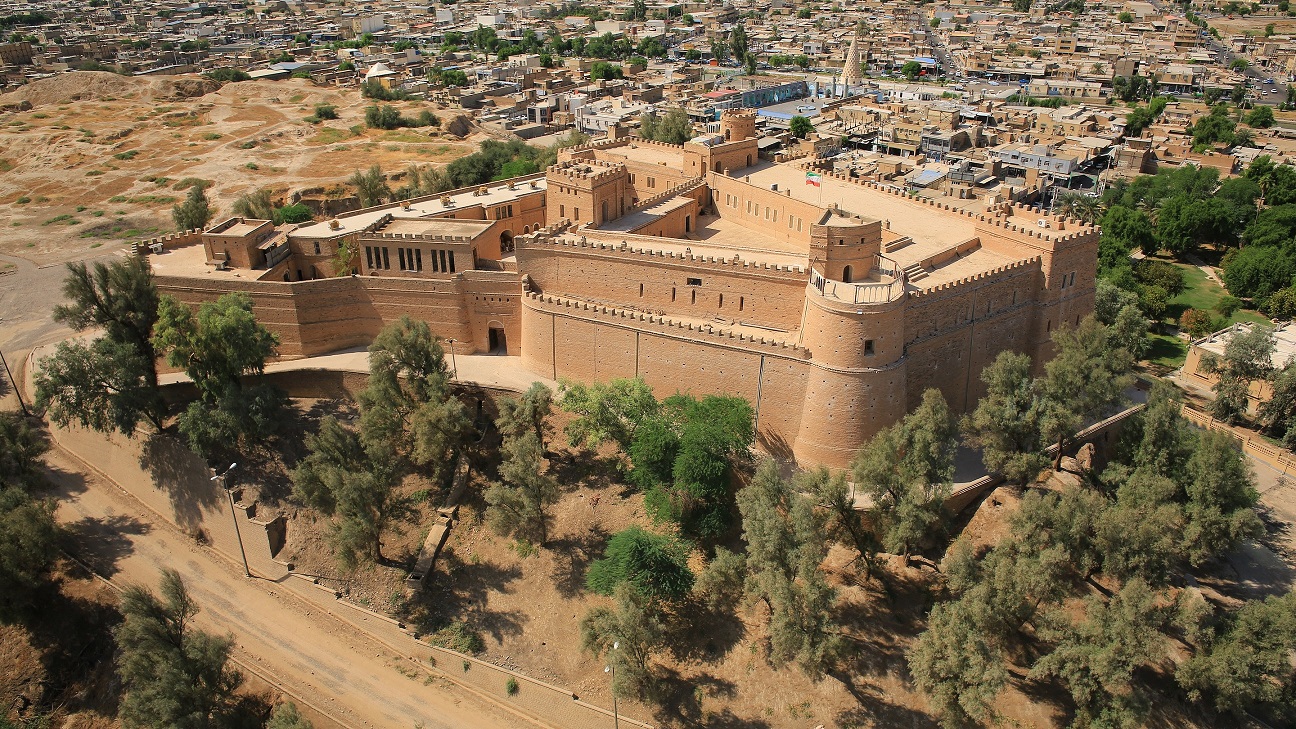
Susa’s allure lies not only in its tangible relics but also in the whispers of bygone eras that echo through its ancient corridors. Wander through the archaeological sites, where each step leads to revelations of a glorious past. Embrace the tranquility of the Shush Castle, overlooking the city and offering panoramic views that transcend time and space.

Planning Your Sojourn to Susa

For avid travelers yearning to traverse the paths of antiquity, Susa beckons with open arms. Plan your trip meticulously, ensuring visits to key landmarks like the Acropolis and the majestic remains of the Temple of Inshushinak. Engage local guides who regale visitors with tales of Susa’s past, breathing life into the silent stones of this historical marvel.

susa

Conclusion: Embrace the Timeless Charms of Susa

Susa stands as a testament to the enduring legacy of ancient civilizations, inviting modern adventurers to partake in its rich history and cultural tapestry. As the sun sets over the storied ruins, it leaves an indelible mark on those who dare to explore its mysteries, forever enchanting their souls with the echoes of a bygone era.

Intrigued by Susa’s allure? Embark on a journey through time and immerse yourself in the captivating embrace of this timeless marvel with Zhivar Travel Agency .